Home › Pool Cage Rescreening
Savannah Screens provides pool cage rescreen services in Savannah, GA to refresh aging or damaged pool enclosures. We remove old mesh and install new pool screen replacement panels for a cleaner look and stronger protection. Restore your pool enclosure with high quality rescreening that extends its life.
Savannah Screens provides professional pool cage rescreen throughout Savannah, GA, Georgia and the surrounding area. Our licensed, insured crew delivers safe, clean, on-time work with a free estimate before anything begins. Call (912) 800-0780 or request your free quote.
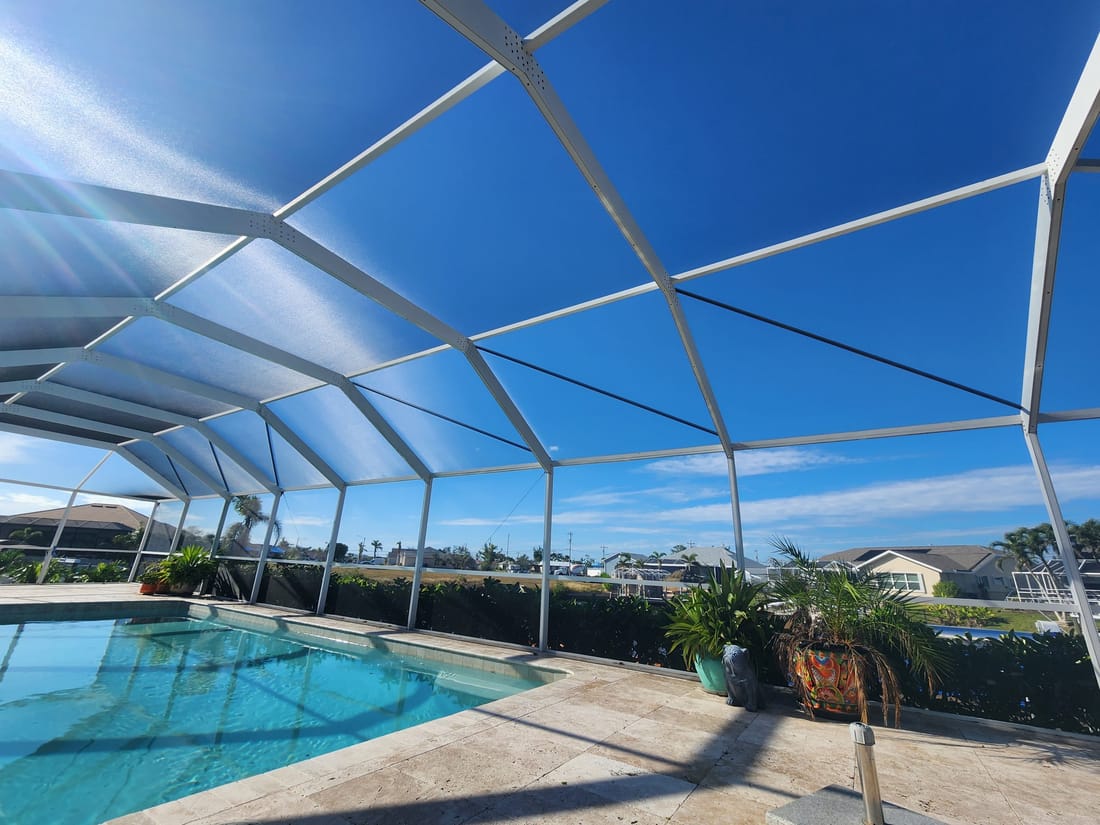
Pool Cage Rescreening in Savannah, GA, Done the Right Way
Salt air, coastal storms, and year round humidity in Savannah are tough on pool cages. Screens that looked great a few years ago can start to sag, tear, or turn gray and brittle. When that happens, a proper pool cage rescreen is often smarter and more cost effective than patching panel after panel.
Savannah Screens focuses on complete and partial pool cage rescreening tailored to the Lowcountry climate. Our goal is simple: restore your enclosure so it keeps out bugs and debris, stands up to coastal weather, and looks clean and tidy from the house and the yard.
Instead of rushing through, we inspect the entire structure first. We look at the screen condition, spline channels, door hardware, and frame fasteners that can rust quickly in our salty air. Then we walk you through what really needs to be replaced now and what can reasonably wait, so you can make an informed decision that fits your budget.
Every project is handled by a small, experienced crew familiar with Savannah neighborhoods, from Isle of Hope and Wilmington Island to Pooler and Richmond Hill. You get clear communication, realistic timeframes, and careful cleanup so your pool area is ready to enjoy again as soon as we are finished.
How Our Pool Cage Rescreen Process Works
A good rescreen is more than just pulling out old mesh and stretching new material. At Savannah Screens, we follow a consistent process so your pool cage is tight, even, and long lasting.
1. On site evaluation and measurement
We start with a visit to your home. We verify the size of your cage, the type of existing frame (aluminum size and layout), and the condition of doors and kick plates. We note any bent members, loose base anchors, or areas that collect standing water, which is common around older pool decks in Savannah.
2. Material selection and written quote
Next, we review screen options with you, including standard insect screen, no see um mesh for gnats, and higher strength options for pet claws or tree debris. We match colors to your existing frame so the finished cage looks intentional. You receive a written quote that breaks out material choice, any hardware upgrades, and needed repairs, so you know exactly where each dollar goes.
3. Careful removal of old screen and spline
On installation day, we remove panels section by section to keep the frame stable. Old spline is completely pulled from the tracks so new spline can grip properly. We dispose of all old mesh, so you are not left with piles of dirty screen around the yard.
4. Frame inspection and minor repairs
With the screen off, we can see issues that may have been hidden, like corroded screws, loose door hinges, or cracked kick plates. We replace small hardware on the spot as approved, and we will point out any structural concerns that might require a separate repair before rescreening high tension roof panels.
5. Installing and tensioning new screen
We roll new mesh across each opening and set it into the frame channels with fresh UV resistant spline. Roof and upper wall sections are installed in a specific order to keep even tension across the cage. Corners and wide spans get extra attention so there are no ripples. Finally, we trim edges for a clean, straight finish.
6. Final walkthrough and cleanup
When the last panel is in, we vacuum or sweep around the deck to pick up spline scraps and mesh pieces. Then we walk the cage with you, checking doors, latches, and panel tension. If you see anything that concerns you, we adjust it before we leave.
Screen Material Options for Savannah Weather and Insects
Not every pool cage in Savannah needs the same type of screen. The right material depends on where you live, how you use your pool, and what has caused damage in the past.
Standard fiberglass insect screen
This is a common choice for many homes. It keeps out mosquitoes and larger bugs, looks clean, and is budget friendly. It works well for interior wall sections that are not exposed to tree branches or pets. For many customers in newer communities around Savannah, this is enough.
No see um (extra fine) mesh
If you live near marshes, rivers, or lagoons, tiny gnats and sand flies can slip through regular screen. No see um mesh has much smaller openings to block these pests, which is especially useful in areas like Skidaway Island or near the Wilmington and Ogeechee rivers. It darkens the view slightly, but for many homeowners the extra bug protection is worth it.
Pet resistant and high strength screen
For families with dogs who lean or jump against the bottom panels, or homes under mature oaks and pines that drop limbs and cones, we recommend heavier duty mesh for lower sections and roof spans. These materials cost more per square foot, but they often extend the time between rescreens, which can save money in the long run.
Solar and privacy options
If your pool deck bakes in the afternoon sun, we can include solar screen on west facing walls to cut glare and reduce heat on the deck surface. For neighbors who are close by, a tighter weave can add a measure of privacy without building solid walls.
During your estimate, Savannah Screens will suggest mixing materials in different sections so you are not overpaying for heavy duty mesh where it is not needed.
What Affects Pool Cage Rescreen Cost in Savannah
Homeowners often ask why prices vary so much between pool cage rescreen projects. The total cost comes from a combination of real, measurable factors, not a one size fits all formula.
Size and height of the enclosure
A simple, low enclosure with mostly wall sections is faster and safer to rescreen than a large birdcage style structure with tall, steep roof panels. Taller cages require more time on ladders or scaffolding and more safety gear, which affects labor cost.
Type of screen material
Standard fiberglass is the most affordable. No see um, pet resistant, and solar meshes typically cost more because they are denser or thicker. Some projects use a mix of materials, for example heavy duty mesh on the bottom 3 feet and standard screen above, to balance cost and durability.
Condition of the frame and hardware
If your enclosure is 15 to 20 years old, especially near the coast, we may find rusted screws, loose base anchors, or warped frame members. Minor hardware replacement is usually a small add on, but significant structural issues will increase cost because we cannot properly tension new screen on a weak frame.
Accessibility and surroundings
Pool cages that are tight between the house and property line, or that sit next to steep slopes or thick landscaping, can take longer because there is less room to work and set ladders. In some older Savannah neighborhoods, careful setup protects mature landscaping and fences, which we respect by moving more slowly and deliberately.
Season and scheduling
Spring and early summer are the busiest times for pool cage rescreen in Savannah, and material lead times can be longer. If your schedule is flexible, choosing a fall or winter rescreen can sometimes help you secure an earlier date or more options on start times, especially after the peak storm season.
Common Pool Cage Problems We See in Coastal Georgia
Living in a warm, coastal climate is great for pool season, but it is also hard on screens and frames. Knowing what usually goes wrong can help you decide when it is time to rescreen instead of patching.
Wind and storm damage
Thunderstorms and coastal systems push strong gusts across open yards. Screens that have already started to loosen can pull out of the spline channel, creating large blowouts in roof or wall sections. In some cases we can replace only the affected panels. If damage is widespread, a full rescreen with tighter tension and updated materials often makes more sense.
Salt and humidity related wear
In Savannah, salt carried on the breeze and almost constant humidity slowly break down both mesh and hardware. Fiberglass can fade, and aluminum fasteners can pit or corrode. During rescreening, Savannah Screens replaces worn spline and problem screws so the new mesh has a solid base.
Sagging and rippling
Over time, especially on wide roof spans, screen can slowly stretch. You might notice pools of water collecting on top after rain or visible rippling in the afternoon sun. This is one of the clearest signs that the enclosure is ready for a rescreen, because stretched mesh cannot be re tightened without replacing it.
Door and latch issues
Pool cage doors are opened and closed constantly, so their screens and hardware fail sooner. We often see torn corners near the handle, doors that drag on the deck, and latches that no longer catch. During a pool cage rescreen, we can adjust hinges, replace door closers, and install new bug sweeps so the doorway seals properly again.
Tree and debris damage
Savannah’s live oaks and pines are beautiful, but limbs and cones can punch holes in screens during storms. If your cage sits under heavy branches, we might recommend stronger mesh on the roof and outer wall that faces the tree line. We can also suggest trimming specific limbs before rescreening to extend the life of the new panels.
When to Schedule and What to Expect From Savannah Screens
In our climate, you can rescreen a pool cage almost any time of year. However, there are a few practical tips that can make the project smoother and more comfortable for you.
Best times of year in Savannah
Late fall through early spring often provide the best working conditions: cooler air, fewer afternoon thunderstorms, and less intense sun on the deck. This can be helpful if you are sensitive to heat or plan to be home during the work. If you are aiming to have your enclosure perfect before peak swimming season, scheduling in winter or early spring usually works well.
How long a rescreen usually takes
Most standard residential pool cage rescreens around Savannah take one to three days, depending on size, height, and repairs. We will give you a realistic time estimate after seeing your enclosure. If weather interrupts, we secure the work area so your pool is protected until we return.
Preparing for your rescreen
Before we arrive, we ask that you move small furniture, toys, and plants away from the pool edges and cage walls. Larger items can usually stay in place, and we will work around them or help slide them as needed. If you have pets, plan a spot for them away from the work zone, since we will need gates and cage doors open at times.
What you can expect from Savannah Screens
You will know which crew members are coming, what time we will arrive, and what areas we will need access to. During the job, we keep gate access secure when we are not present, and we clean up at the end of each day, not just at the end of the project. When the pool cage rescreen is complete, you will have a fresh, tight enclosure that looks neat and is ready for your next swim or family gathering.
If you would like to discuss your specific enclosure, Savannah Screens is happy to visit your Savannah area home, inspect your existing pool cage, and provide clear, straightforward options for rescreening.