Home › HOA and Multifamily Screen Services
Savannah Screens partners with communities to provide HOA and multifamily screen services in Savannah, GA. We handle apartment screen services, condo screen repairs, and shared area enclosures under one organized program. Simplify maintenance and improve curb appeal across your community with scheduled, bulk screen solutions.
Savannah Screens provides professional hoa screen services throughout Savannah, GA, Georgia and the surrounding area. Our licensed, insured crew delivers safe, clean, on-time work with a free estimate before anything begins. Call (912) 800-0780 or request your free quote.
HOA and Multifamily Screen Services for Savannah Properties
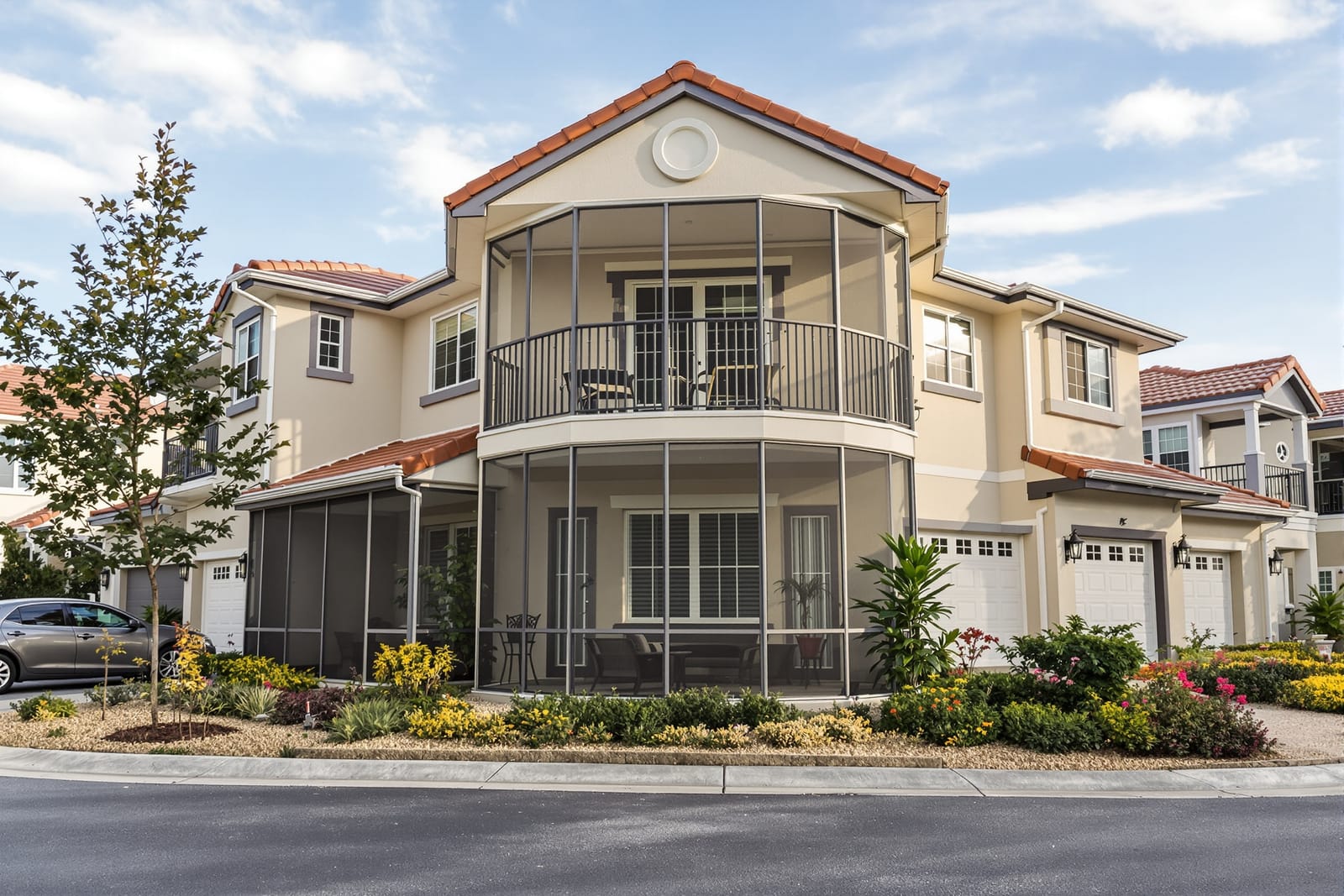
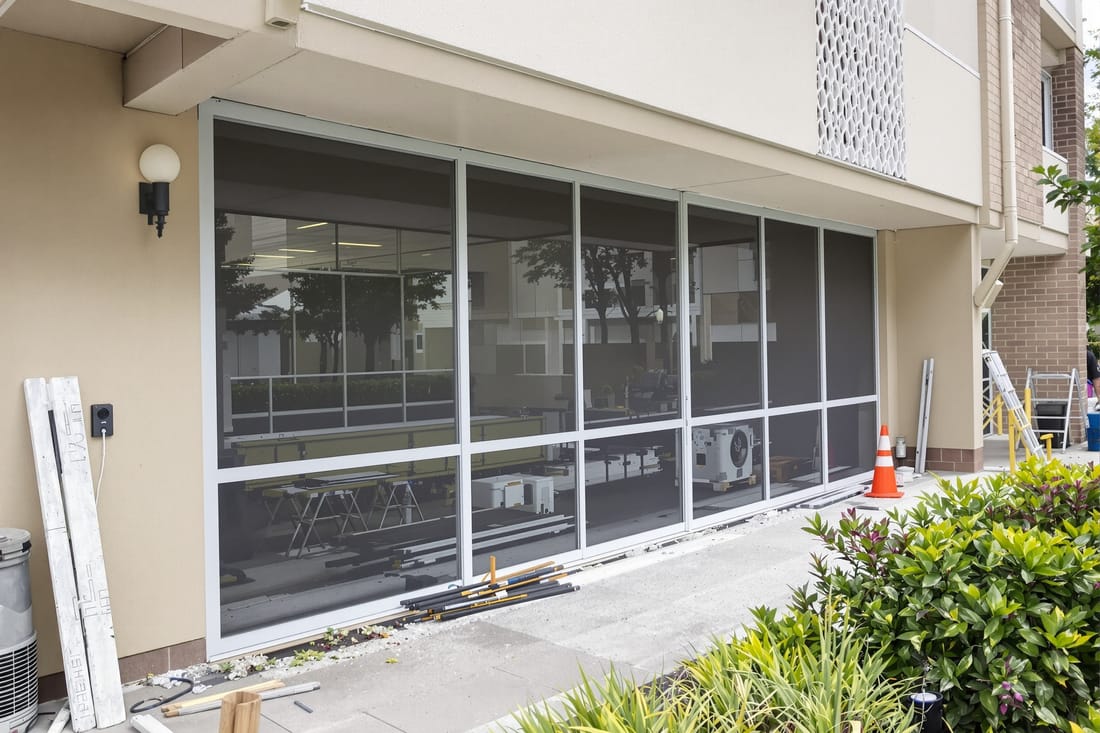
Savannah Screens specializes in HOA and multifamily screen services tailored to the way properties are actually built and managed in Savannah, GA. We work with condominium boards, apartment managers, townhome communities, and large single family developments that need consistent, durable screening on porches, patios, balconies, breezeways, and common areas.
Our team is set up for volume work, which means we can move building by building or stack by stack without disrupting residents more than necessary. We meet with your board or property manager first, walk the site, document the different building types, and map out a screen standard that fits your rules and the architecture. From there, we give you a clear written scope, material options, and pricing structure that the board can review and approve.
Because Savannah has high humidity, salt in the air, and plenty of bugs, we design every HOA screen project around those realities. We explain which frames and mesh types actually hold up near the marsh or on higher floors where wind is stronger. We also look at your existing screens, point out what is failing and why, then propose fixes that reduce future maintenance calls, not just patch what is visible today.
How Our HOA Screen Process Works, Step by Step
When an HOA or multifamily property contacts Savannah Screens, we start with an on site assessment that usually takes 1 to 2 hours for a typical community. We walk the buildings with a manager or board member, measure several representative units on each elevation, photograph problem areas, and note things like rusted fasteners, loose frames, and code concerns around stairs and railings.
Next, we prepare a written proposal that breaks your property into logical groups, such as Building A, B, and C, or first floor patios versus upper level balconies. For each group, we specify screen frame material, mesh type, color, and any hardware details like pull tabs or crossbars. If you have architectural guidelines or design review requirements, we align our proposal with those rules so units look uniform from the outside.
Once approved, we schedule the work in phases. For multifamily properties, this usually means we notify residents in advance, post a schedule by building or stack, and complete screens in that stack before moving on. On site, our technicians remove the existing screens, inspect for frame damage, and either repair in place or replace with new frames that match the community standard. We build and re-screen on site using portable equipment or, for larger projects, with pre built frames fabricated to measured sizes.
Before we call a phase complete, we do a walkthrough with management or a board representative. We check fit, tension, and appearance from both inside the unit and from the ground level. Any screens that are loose, wavy, or mismatched in color are corrected before we move on. We also provide a summary of the work done and a recommended maintenance cycle so the board can budget future screen work instead of reacting to emergencies.
Screen Materials and Options That Work in the Savannah Climate
Savannah Screens offers specific material packages for HOA and multifamily screen services that are chosen for our coastal, humid conditions. For frames, most communities use heavy gauge aluminum in white, bronze, or a dark brown that blends with typical Savannah trim colors. In areas closer to the river or marsh, we recommend powder coated frames that resist corrosion better than basic mill finish aluminum.
For mesh, we usually suggest standard fiberglass insect screen for interior courtyards and upper balconies that are not exposed to pets or heavy contact. For first floor patios, ground level breezeways, or units with pets and children, we often install a stronger polyester or vinyl coated pet resistant mesh that is harder to tear. Where visibility is important, such as river view balconies, we can use a charcoal high visibility screen that is finer and less reflective so it preserves the view while still keeping out gnats and mosquitoes.
If your residents complain about pollen, especially in spring when the live oaks drop heavily, we can specify a tighter weave pollen screen on certain exposures. It will reduce airflow slightly compared to standard screen, so we help you decide where it makes sense, for example on upper balconies that get more wind. For properties that need to meet a strict exterior appearance requirement, we standardize the frame color and mesh shade community wide and provide a spec sheet to include in your HOA documents so future replacements match.
What Drives Cost for HOA and Multifamily Screen Projects
The cost of HOA screen services with Savannah Screens depends on several specific factors that boards and managers can control once they understand them. The first is quantity and consistency. If we can standardize dimensions across similar units and fabricate batches of frames or screen panels, your per unit cost comes down. Mixed construction, such as some units with wood framing and some with metal, often requires more site time and custom fitting, which raises labor cost.
Access is another cost driver. Ground floor patios and walk out porches are faster and safer to work on than upper level balconies or breezeways that require ladders or lift equipment. For three story walk up buildings, we may need additional safety setups and more time per unit. We explain these factors in the proposal so the board understands why different building types price differently.
Existing conditions also matter. If frames are mostly intact and just need re screening, your cost will be significantly less than a full tear out and rebuild. If wood porch framing is rotted or railing heights do not meet current safety expectations, we point that out so the HOA can coordinate carpentry or structural work before or alongside screen replacement. We never cover structural problems with new screen, since that only hides a liability issue.
Finally, material choices affect price. Pet resistant or high visibility mesh costs more than basic fiberglass but often pays off for multifamily properties by reducing the number of resident damage calls. Choosing one standard frame color and mesh type across the community lets us order materials in bulk, which we pass on in the form of more favorable pricing.
Common Problems We Solve for Savannah HOAs and Multifamily Managers
HOA and multifamily properties in Savannah tend to see the same screen problems over and over. The humidity and salt in the air cause cheap metal frames and fasteners to corrode quickly, especially in coastal facing buildings. We address this by using corrosion resistant screws and higher quality aluminum frames, and by sealing small gaps that allow water to sit in the track. For existing corroded frames that cannot be saved, we replace them with new, color matched frames that are designed for the local climate.
Wind and storms are another big issue. Afternoon thunderstorms and coastal storms can push screens out of their tracks if they were installed with light tension or undersized spline. Our crews use the correct spline size for the channel and pull screens tight without over stretching. In higher wind zones, such as top floor balconies, we may add additional attachment points or mid rails to keep large panels stable.
For property managers, one of the biggest headaches is keeping screens uniform when residents try to repair them on their own with mismatched colors and materials. Savannah Screens can set a community standard, install it across the property, and then offer a unit by unit replacement program that residents can buy into if allowed by your rules. That way, whenever a screen is damaged, it gets replaced with the exact material and color, and the building exterior stays consistent.
We also help HOAs update rules and guidelines related to screens. After a project, we can give you simple written specs for approved screen types and colors, notes on what is allowed on balconies in relation to screen integrity, and basic care instructions to share with residents. This reduces disputes, protects your property appearance, and makes future screen work easier and more predictable.