Home › Patio Screening Installation
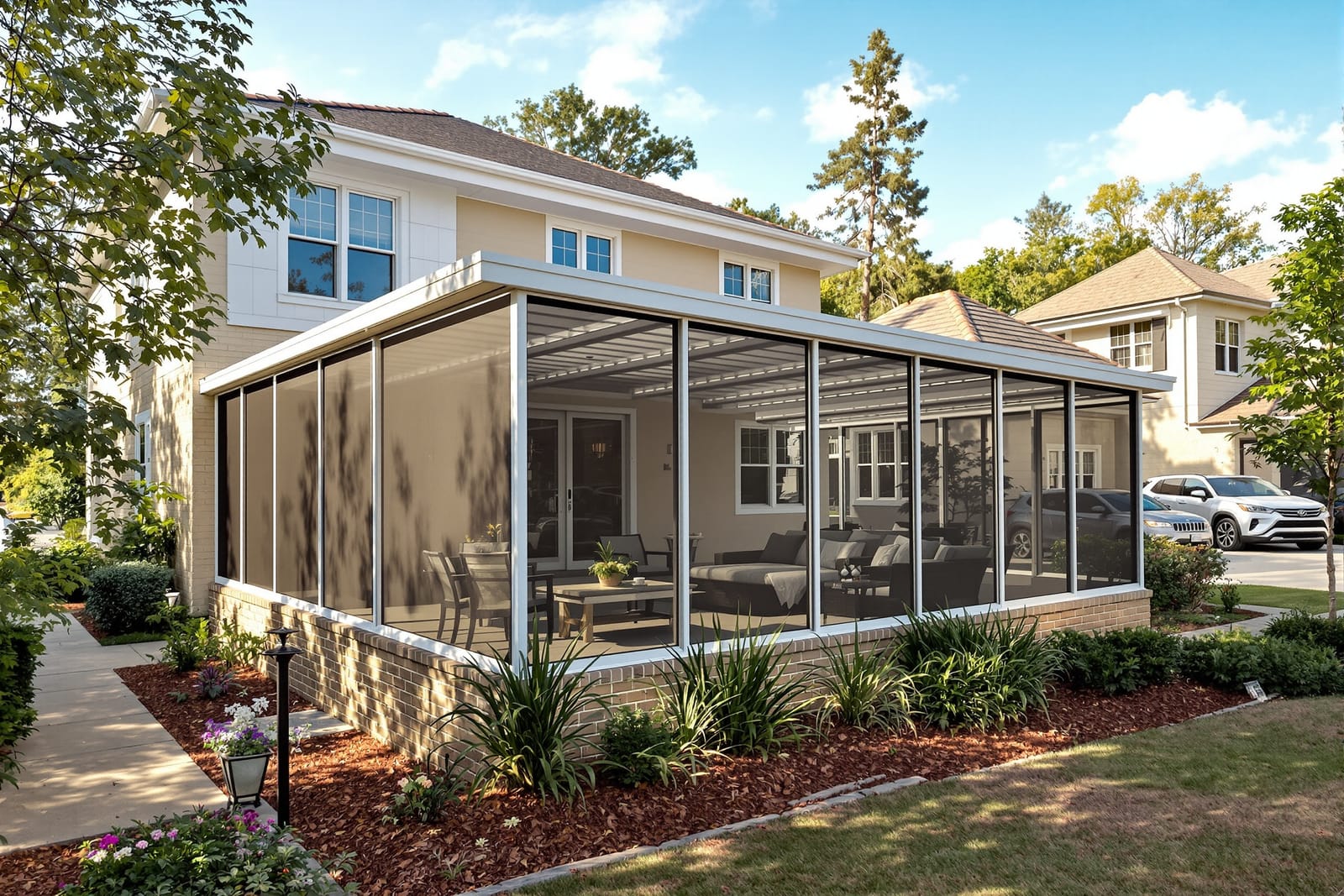
Savannah Screens designs and installs patio screening in Savannah, GA that turns open slabs into comfortable outdoor living areas. Whether you want a simple screened patio or a full patio screen enclosure, we custom build to fit your home. Enjoy more shade, airflow, and privacy with a durable screened-in patio.
Savannah Screens provides professional patio screening throughout Savannah, GA, Georgia and the surrounding area. Our licensed, insured crew delivers safe, clean, on-time work with a free estimate before anything begins. Call (912) 800-0780 or request your free quote.
Enjoy Your Savannah Patio Without Bugs or Debris
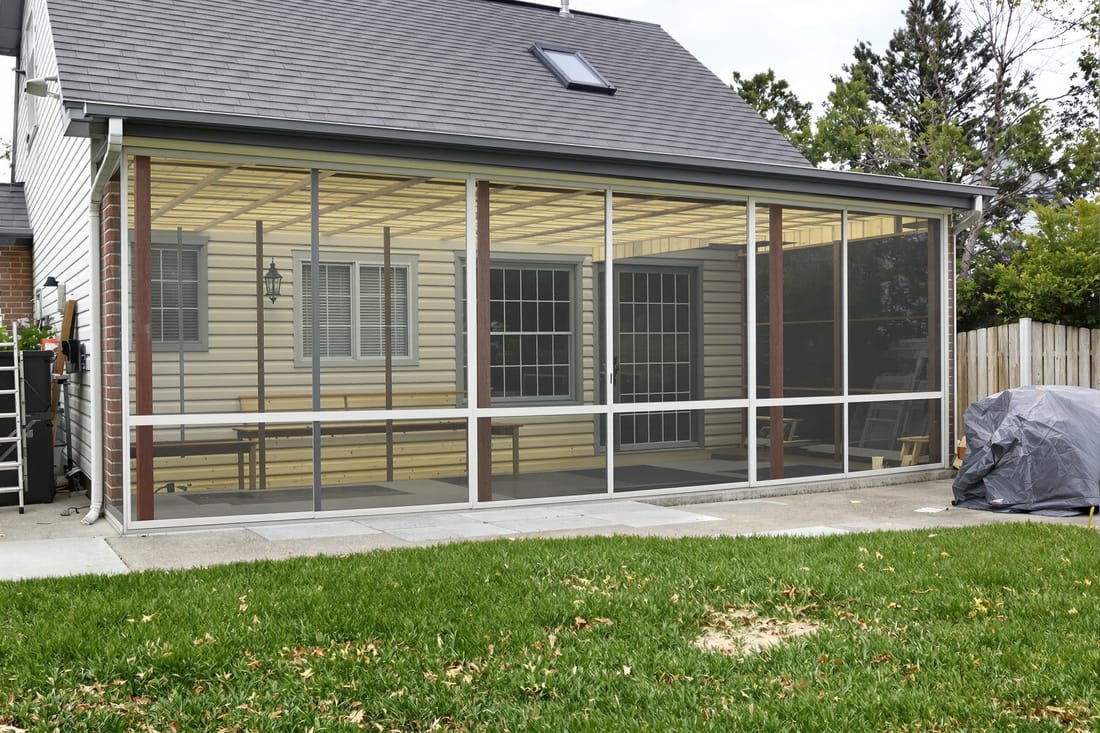
In Savannah, patios are used almost year-round, but mosquitoes, gnats, and pollen can quickly ruin an evening. Patio screening from Savannah Screens turns your existing patio into a more comfortable, usable outdoor room, tailored to our coastal climate. Instead of a one-size-fits-all kit, we look at how you actually use the space, how the wind moves through your yard, and the direction of sun exposure so your screen room works for you on hot, humid Georgia days.
When we visit a home in Savannah, we pay special attention to how close you are to marshland, live oaks, and water features. These details affect what type of screen mesh and framing will hold up best against salt air, falling leaves, oak tassels, and heavy spring pollen. Our goal is not just to “put up screens” but to create a cleaner, more comfortable outdoor area that fits how you live, cook, and entertain.
From historic downtown properties to newer neighborhoods in Pooler, Richmond Hill, and on Wilmington Island, we adapt patio screening to your home’s architecture so the finished structure looks like it belongs, rather than a bolt-on afterthought.
How Our Patio Screening Installation Process Works
Savannah Screens follows a clear step-by-step process so you know what is happening at every stage of your patio screening project.
1. On-site evaluation: We start by measuring your existing patio or slab, checking the condition of the concrete, brick, or decking, and noting roof lines, gutters, and electrical locations. We also look for existing damage like wood rot in fascia boards or loose railings that may need attention before screening.
2. Design and layout: Based on your goals, we determine the layout of screen walls, doors, and any kick plates or pet doors. We discuss ceiling height, whether you want a screened roof or to attach to an existing overhang, and how to maintain access to grill areas or yard gates.
3. Material selection: We help you choose frame color, mesh type, and hardware that match your home’s trim and stand up to Savannah’s humidity and coastal winds. We bring physical samples so you can see privacy levels and how the mesh affects your view.
4. Site prep: Before installation, we clean the attachment surfaces and, if needed, grind small high spots in the concrete to create a level base. We also identify any sprinkler heads that might spray the new screen walls and discuss adjustments if necessary.
5. Framing and attachment: We install vertical posts and horizontal beams, then anchor them into concrete or wood framing using corrosion-resistant fasteners rated for coastal use. Proper anchoring is critical in our area due to tropical storm risks.
6. Screen installation: We install the mesh using spline and screen track systems designed to keep screens taut but flexible enough to handle wind gusts. We pay close attention to alignment around doors so they swing freely without rubbing the mesh.
7. Finishing touches and walkthrough: We add door closers, handles, threshold ramps if needed, and seal any gaps where bugs could enter. Finally, we walk the space with you, review maintenance tips, and address any last adjustments on the spot.
Screen and Frame Options That Work in Savannah’s Climate
Savannah’s mix of heat, salt air, and insects means the right material choices matter more here than in many inland cities. Savannah Screens offers several screen mesh options so your patio screening lasts and performs well.
Standard fiberglass insect screen is a cost-effective option for basic bug protection and good airflow, ideal if you mainly want to keep mosquitoes and gnats out during evening gatherings. For homes close to marsh or heavily wooded lots, we often recommend polyester or PVC-coated mesh which is more resistant to sagging and tearing from pets, children, and fallen branches.
If pollen and small debris from live oaks are a big issue at your home, we can use a tighter “no-see-um” mesh. This type of screen helps block tiny biting insects and reduces the amount of fine debris that blows into your patio, although it slightly reduces airflow compared to standard mesh.
For patios where you want to maintain a clear view of a marsh, river, or landscaped backyard, we can install high-visibility mesh that uses finer strands and darker colors to make the screen less noticeable from inside. In high-traffic areas or where pets routinely push against the screen, we may suggest reinforced pet-resistant screening along the lower half of the walls or a solid kick plate to protect the mesh.
Frame materials and finishes are chosen with coastal corrosion in mind. We typically use aluminum framing with powder-coated finishes in common trim colors like white, bronze, and black that blend with Lowcountry home styles. Hardware, fasteners, and door components are selected for rust resistance so your patio screening remains functional even with frequent salt-laden breezes.
What Affects the Cost of Patio Screening in Savannah
Homeowners often ask why patio screening quotes can vary so much. At Savannah Screens, we walk you through the main cost drivers so you can make informed choices.
Size and height of the patio: A small ground-level patio with a simple rectangular footprint will cost less than a large, L-shaped patio with high ceilings. Taller walls require more framing material and additional bracing, which increases both material and labor.
Condition of the existing structure: If your patio roof, fascia, or support posts show signs of wood rot, termite damage, or water intrusion, we may need to reinforce or repair those areas before attaching the screen system. Addressing these issues early prevents sagging, leaks, and structural problems later.
Material upgrades: Choosing specialty mesh, such as no-see-um or pet-resistant screening, or adding heavy-duty doors with glass inserts, will increase cost compared to basic mesh and standard doors. Coastal-grade hardware and powder-coated framing are standard for longevity, but we can also spec premium finishes if you want a specific look.
Layout complexity and access: Patios that wrap around corners, involve multiple roof tie-ins, or require custom headers over wide openings take more planning and fabrication. Limited side-yard access or tight historic district lots can also add time since materials may need to be hand-carried or staged carefully.
Permits and wind considerations: While many basic screening projects fall under minor improvements, certain structural changes or additions may require permits in Chatham County or the City of Savannah. We will let you know during the estimate process if permitting is needed and factor that into the cost and timeline.
Common Patio Screening Issues in Coastal Georgia and How We Prevent Them
We design patio screening systems specifically to avoid the problems we see most often around Savannah. Understanding these issues helps you choose a contractor who builds for our climate, not generic conditions.
Sagging screens: High humidity, strong sun, and coastal winds can stretch low-quality mesh and loosen spline. We use meshes and spline systems that hold tension better, and we install intermediate supports on large openings to keep screens from bowing.
Corrosion and staining: Coastal air can quickly corrode unprotected metals and leave rust streaks on concrete or stucco. Savannah Screens uses corrosion-resistant fasteners, properly isolated from dissimilar metals, and powder-coated aluminum framing. This combination greatly reduces staining and hardware failure.
Water intrusion at the base: Heavy summer downpours can push water under and around screen walls if the base is not properly sealed. We inspect the patio slab slope and, where practical, suggest small adjustments or sealant details to direct water out of the space instead of letting it pool inside.
Door misalignment: Ground settling and shifting around older Savannah homes can cause screen doors to bind or not close properly. We use adjustable hinges and strike plates, and we design door framing with enough rigidity to handle minor settling without constant rework.
Pollen buildup and cleaning: Local homeowners know that spring pollen can coat everything yellow. We design screened patios with cleaning in mind, positioning door swings and thresholds to make sweeping and rinsing easier. During your walkthrough, we explain simple seasonal cleaning routines so your patio stays fresh.
Best Times of Year to Schedule Patio Screening in Savannah
Savannah’s climate allows patio screening projects almost year-round, but some seasons offer advantages. Understanding timing can help you plan your project so you get the most benefit right away.
Late winter through early spring (January to March) is often ideal. Humidity is lower, there is less afternoon storm activity, and you can have your patio screening in place before mosquito and gnat season ramps up. Scheduling during this window typically means faster turnaround since demand is slightly lower than mid-spring.
Spring to early summer (April to June) is the busiest period, as homeowners feel the first wave of insects and plan for graduations, cookouts, and holidays. We can absolutely install then, but you may want to contact Savannah Screens a few weeks in advance to secure your preferred dates.
Late summer and fall bring higher rain chances and the possibility of tropical storms, which can affect scheduling. When working during these months, we keep a close eye on forecasts and may adjust start dates to avoid leaving your patio partially completed in heavy rain. The benefit of fall installations is that you can enjoy milder temperatures and football season outdoors, with screening already in place.
If you live in a flood-prone or low-lying area, we also look at local drainage patterns before scheduling and planning the work, to avoid issues with wet ground conditions and to design a system that holds up through storm season.
Why Savannah Screens Is a Good Fit for Your Patio Screening Project
Choosing a local company for patio screening matters, especially in a coastal city with historic homes, strict HOA rules in some communities, and strong insect pressure. Savannah Screens focuses on this specific service in the Savannah area, so our crews are familiar with local construction styles, municipal requirements, and the way coastal weather affects outdoor structures.
We are used to working on a wide range of properties, from brick ranch homes in older neighborhoods to elevated Lowcountry-style houses near the marsh. That experience helps us plan attachment methods that protect your siding, fascia, and roof while meeting or exceeding manufacturer recommendations. We also coordinate with you on HOA approvals when needed, providing drawings and material details to simplify the process.
During your project, you will have a clear point of contact who lives and works in the Savannah area, not a distant call center. We schedule work to minimize disruption to your daily routine and keep your yard as clean as possible while we are on site. At completion, we walk the entire patio screening installation with you, check door operation, and confirm you understand how to operate and maintain everything.
If you are considering patio screening for your Savannah home, Savannah Screens can provide a detailed, written estimate, explain your options in plain language, and deliver a finished space that feels like a natural extension of your home rather than a temporary add-on.